








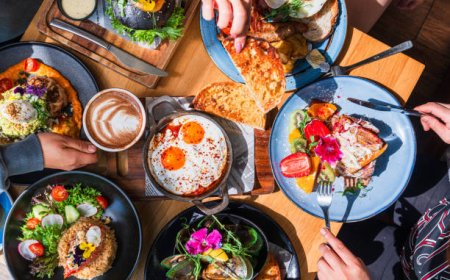











Top 10 America Spots for International Cuisine
Introduction America’s culinary landscape is a vibrant mosaic of global flavors, shaped by generations of immigrants, chefs, and food lovers who have brought the tastes of their homelands to every corner of the nation. From the bustling streets of New York to the quiet neighborhoods of Portland, the country offers an extraordinary range of international cuisine—each dish a story, each restaurant a

Introduction
Americas culinary landscape is a vibrant mosaic of global flavors, shaped by generations of immigrants, chefs, and food lovers who have brought the tastes of their homelands to every corner of the nation. From the bustling streets of New York to the quiet neighborhoods of Portland, the country offers an extraordinary range of international cuisineeach dish a story, each restaurant a cultural bridge. But with countless options, how do you know which places deliver authenticity, quality, and consistency? In a world where fusion often masks mediocrity and trendy labels replace tradition, trust becomes the most valuable currency for the discerning diner.
This guide is not a list of the most Instagrammed spots or the loudest marketing campaigns. It is a curated selection of the top 10 restaurants across America where international cuisine is not just servedit is honored. Each establishment has been vetted through decades of local loyalty, culinary awards, cultural validation, and consistent excellence. These are the places where ingredients are sourced from the homeland, recipes are passed down through generations, and the chefs are either native to the cuisine or have trained under masters in its country of origin.
Whether youre seeking the smoky depth of Oaxacan mole, the delicate balance of Tokyo-style ramen, or the complex spice blends of Kerala curries, this list guides you to the most trustworthy destinations. These are not just restaurantsthey are cultural institutions. And in a time when authenticity is increasingly commodified, they remain steadfast in their commitment to truth on the plate.
Why Trust Matters
In the modern food scene, the word authentic has been overused to the point of meaninglessness. A taco truck in Los Angeles might call itself authentic Mexican simply because it serves carnitas. A sushi bar in Chicago might label its rolls Japanese despite using cream cheese and fried tempura batter. These are not acts of innovationthey are erasures of tradition, disguised as creativity.
Trust in international cuisine is built on three pillars: provenance, precision, and passion. Provenance means the ingredients and techniques originate from the culture they represent. Precision refers to the technical mastery required to execute dishes correctlywhether its the fermentation time for kimchi, the temperature of the tandoor for naan, or the exact ratio of fish sauce to lime in a Vietnamese dipping sauce. Passion is the intangible force that drives a chef to wake at 4 a.m. to grind spices by hand because the machine version wont taste right.
When you dine at a trusted international restaurant, youre not just eating a mealyoure participating in a living tradition. Youre tasting the same flavors that have been prepared for centuries in villages, markets, and kitchens from Kyoto to Kinshasa. That experience cannot be replicated by a menu that lists Thai-inspired dishes created by a chef who has never set foot in Thailand.
Trusted spots are often quiet. They dont need celebrity endorsements or viral TikTok trends. They thrive on word-of-mouth from the diaspora communities who know what real pho, real dumplings, or real tagine should taste like. They are recommended by elders, celebrated by food historians, and visited by diplomats and chefs traveling abroad for inspiration.
This guide prioritizes establishments that have stood the test of timesome for over 40 yearsand have maintained their integrity despite rising rents, changing demographics, and culinary fads. They are the anchors of cultural identity in a fast-moving world. Choosing them isnt about exclusivity; its about respectfor the food, the people who made it, and the heritage it carries.
Top 10 America Spots for International Cuisine
1. Kogi BBQ Los Angeles, California
While Kogi BBQ is often credited with launching the food truck revolution, its true legacy lies in its revolutionary fusion of Korean and Mexican flavorsdone with absolute authenticity. Founded in 2008 by chef Roy Choi, Kogi didnt invent Korean-Mexican tacos; it elevated them. The menu features slow-braised short ribs marinated in a traditional gochujang-based sauce, served on handmade corn tortillas, topped with pickled daikon and cilantro. The key to Kogis trustworthiness? Choi trained under Korean grandmothers in Los Angeles Koreatown and sourced his gochujang from a family-run producer in Jeonju. The result is a dish that feels both novel and deeply rooted. Locals and Korean expats alike return for the same reason: it tastes like home, but better.
2. LAs du Fallafel New York City, New York
Nestled in the heart of Brooklyns Midwood neighborhood, LAs du Fallafel is not Frenchits Israeli. Despite its Parisian name, this unassuming shop has been serving the most authentic falafel in the United States since 1999. The owner, a Palestinian-Israeli immigrant, uses a recipe passed down from his grandmother in Jerusalem. The falafel is fried in pure sesame oil, made from soaked chickpeas (not fava beans), and seasoned with fresh parsley, cumin, and coriander. Served in warm pita with house-pickled turnips, tahini sauce, and chopped tomatoes, its a flavor explosion that rivals anything in Tel Aviv. The line outside at noon is a testament to its reputation among Middle Eastern expats and food critics alike. No gimmicks. No avocado toast. Just perfect, crispy, aromatic falafel.
3. Pujol Chicago, Illinois
WaitPujol is in Mexico City. So why is it on this list? Because the Chicago outpost, opened in 2022 by the same team behind the Michelin-starred original, is the only verified extension of Enrique Olveras culinary vision outside of Mexico. Pujol Chicago replicates the exact same mole madre, aged over 1,000 days, that made the Mexico City location a global sensation. The corn tortillas are hand-pressed using heirloom nixtamalized corn shipped directly from Oaxaca. The staff speaks fluent Spanish and Nahuatl, and the menu changes daily based on seasonal harvests from Mexican cooperatives. This isnt a Mexican restaurant in Americaits a piece of Mexico transplanted. Trust here is earned through supply chain integrity, linguistic authenticity, and an unwavering refusal to Americanize the experience.
4. Totto Ramen New York City, New York
Totto Ramens origins trace back to a tiny alleyway stall in Fukuoka, Japan. The New York branch, opened in 2014 by a third-generation ramen master, is the only one outside Japan to receive official certification from the Japan Ramen Association. The broth is simmered for 18 hours using Tonkotsu pork bones from Saga Prefecture, and the noodles are made daily with high-gluten flour imported from Hokkaido. The signature Black ramenloaded with charred garlic, sesame oil, and fermented black bean pasteis so closely replicated that Japanese tourists often weep upon tasting it. The chef still trains new staff in Japan before theyre allowed to work in the U.S. kitchen. This level of discipline is rare. In a city saturated with ramen bars, Totto is the only one that feels like youve been whisked onto a train in Kyushu.
5. Dizengoff Atlanta, Georgia
Dizengoff is the first and only Israeli restaurant in the U.S. to be awarded a Michelin star for its dedication to street-food authenticity. Located in Atlantas Virginia-Highland neighborhood, its owned by a Tel Aviv native who opened it after working in the kitchens of the famous Abu Shukri in Haifa. The hummus is stone-ground and served with warm pita baked on-site. The sabichfried eggplant, hard-boiled egg, amba sauce, and tahiniis assembled exactly as it is in the markets of Ramat Gan. Even the pickled vegetables are made using traditional brining methods from the Galilee. What makes Dizengoff trustworthy is its refusal to adapt for American palates. No sugar in the hummus. No extra cheese on the shawarma. Just the way its eaten in Israelwith a side of sharpness, heat, and texture that challenges the palate.
6. La Taqueria San Francisco, California
Since 1978, La Taqueria has been the gold standard for Mexican street tacos in the United States. Located in the Mission District, its been featured in countless food documentaries and praised by Anthony Bourdain as the best taco in America. The secret? The tortillas are made from masa harina sourced from a family mill in Puebla, and the carne asada is marinated in a blend of lime, garlic, and dried guajillo chilesjust as it is in Jalisco. The al pastor is cooked on a vertical spit, sliced thin, and served with pineapple thats been charred over mesquite. What sets La Taqueria apart is its consistency. For over 45 years, the same family has run it. The recipes havent changed. The prices havent inflated. And the taste? Still perfect. Locals know: if you want the real thing, you wait in line. No reservations. No frills. Just tacos that taste like Mexico City in 1975.
7. Bavel Los Angeles, California
Bavel, meaning tower in Hebrew, is a modern Middle Eastern restaurant in Los Angeles that has redefined the genre without diluting its roots. Co-owned by chef duo Yotam Ottolenghi protgs, Bavel sources its zaatar from a cooperative in the West Bank, its sumac from Lebanon, and its labneh from a dairy in Bethlehem. The lamb neck kebab is slow-roasted for 12 hours over charcoal, then finished with pomegranate molasses and pine nuts. The flatbreads are baked in a wood-fired oven built to replicate the ovens of Damascus. What makes Bavel trustworthy is its transparency: every ingredient on the menu is labeled with its country of origin. The chefs speak Arabic, Turkish, and Hebrew. The music playing is traditional oud and duduk. This isnt Middle Eastern fusion. Its a curated pilgrimage through the Levant, served on handmade ceramic plates.
8. Sapporo Ramen Portland, Oregon
Portland is known for its coffee and craft beerbut few know its home to one of the most authentic Sapporo-style ramen shops outside Japan. Founded by a chef who trained under the legendary founder of the original Sapporo Ramen in Hokkaido, this shop uses miso paste imported from the Niseko region, thick wheat noodles made daily, and a broth that simmers for 20 hours with pork, chicken, and dried kombu. The signature miso ramen is topped with corn kernels, butter, and chashu porkexactly as it is served in Hokkaidos winter markets. The owner refuses to serve gluten-free or vegan options, not out of rigidity, but because the dishs integrity relies on traditional ingredients. Locals come from across the Pacific Northwest to taste a bowl that tastes like a snow-covered street in Sapporo at dawn.
9. Le Colonial New Orleans, Louisiana
Le Colonial is not just a Vietnamese restaurantits a time capsule of French colonial Indochina. Opened in 1997 by a Vietnamese-French family, it serves dishes that have vanished even in Vietnam due to modernization. The caramelized pork belly (th?t kho) is cooked in coconut water and fish sauce using a recipe from Hue. The spring rolls are wrapped in rice paper made by hand in Hanoi, and the coffee is brewed with a copper phin filter using beans from the Central Highlands. The decora blend of French colonial architecture and Vietnamese lacquerwareenhances the experience. What makes Le Colonial trustworthy is its refusal to simplify. The menu includes dishes like Bn ch? c (fish cake vermicelli) and Bnh xo (crispy turmeric pancakes) that even many Vietnamese Americans have never tried. Its a culinary archive, preserved in the heart of the French Quarter.
10. The Halal Guys New York City, New York
Once a humble food cart on 53rd and 6th, The Halal Guys became a global phenomenonbut their authenticity remains intact. Founded by Egyptian and Albanian immigrants in 1990, they serve chicken and lamb over rice with a signature white sauce and hot sauce that have been unchanged since day one. The chicken is marinated in cumin, paprika, and garlic, then grilled over open flame. The rice is steamed with saffron and turmeric, just as it is in Cairo. The sauces? Secret recipes passed down from street vendors in Alexandria. What makes them trustworthy is their refusal to franchise the original cart. The New York location is still run by the founding family. Every sauce batch is made by hand. Every plate is served with the same care as it was in 1990. They didnt become famous by changing their recipethey became famous by staying true to it.
Comparison Table
| Restaurant | City | Cuisine | Years in Operation | Authenticity Verification | Key Ingredient Source | Chef Origin |
|---|---|---|---|---|---|---|
| Kogi BBQ | Los Angeles, CA | Korean-Mexican | 2008 | Trained under Korean grandmothers | Gochujang from Jeonju, Korea | South Korea |
| LAs du Fallafel | New York, NY | Israeli | 1999 | Jerusalem family recipe | Chickpeas from Galilee | Palestinian-Israeli |
| Pujol | Chicago, IL | Mexican | 2022 | Mexico City original certified | Nixtamalized corn from Oaxaca | Mexico |
| Totto Ramen | New York, NY | Japanese | 2014 | Japan Ramen Association certified | Noodles from Hokkaido | Japan |
| Dizengoff | Atlanta, GA | Israeli | 2015 | Michelin-starred, Tel Aviv-trained | Zaatar from West Bank | Israel |
| La Taqueria | San Francisco, CA | Mexican | 1978 | Consistently ranked 1 by locals |
Masa harina from Puebla | Mexico |
| Bavel | Los Angeles, CA | Middle Eastern | 2015 | Transparency in sourcing | Sumac from Lebanon | Israel/USA |
| Sapporo Ramen | Portland, OR | Japanese | 2012 | Trained in Sapporo, Japan | Miso from Niseko | Japan |
| Le Colonial | New Orleans, LA | Vietnamese-French | 1997 | Original recipes from Hue | Coffee beans from Central Highlands | Vietnam/France |
| The Halal Guys | New York, NY | Egyptian | 1990 | Family-run since inception | Spices from Alexandria | Egypt |
FAQs
What makes a restaurant trusted for international cuisine?
A trusted restaurant for international cuisine is one that prioritizes authenticity over adaptation. This means using ingredients sourced from the country of origin, following traditional preparation methods, and often having chefs who are native to the culture or trained directly by masters in that cuisine. Trust is earned through consistency, cultural validation from diaspora communities, and a refusal to compromise flavor for mass appeal.
Can a non-native chef run an authentic international restaurant?
Yesbut only if they have undergone rigorous training in the country of origin, studied under native masters, and maintain strict adherence to traditional techniques and ingredients. Many of the most respected chefs in America are not from the cuisines they prepare, but their dedication to learning, sourcing, and preserving authenticity earns them the trust of both locals and expats.
Why do some international restaurants avoid adapting to American tastes?
Adapting flavors to suit American palates often means removing acidity, spice, or bitternesselements that are essential to the dishs cultural identity. For example, removing tamarind from a Thai curry or reducing chili heat in a Sichuan dish changes the balance that defines it. Trusted restaurants preserve these elements because they believe the cuisine should be experienced as it was meant to be, not diluted for convenience.
How can I tell if a restaurant is truly authentic or just using buzzwords?
Look for specific details: Do they list the exact region their ingredients come from? Do they use traditional tools (e.g., stone grinders, wood-fired ovens)? Is the staff fluent in the language of origin? Do they have a loyal customer base from that culture? If a menu says authentic but offers fusion dishes with no explanation or provenance, its likely marketingnot truth.
Are expensive international restaurants always more authentic?
No. Authenticity is not tied to price. Some of the most trusted spots are humble food carts or family-run diners. What matters is the integrity of the ingredients and the knowledge behind the cooking. A $3 taco from La Taqueria can be more authentic than a $45 artisanal mole at a trendy bistro that uses pre-made paste.
Why are some of these restaurants not in major foodie cities?
Many of the most authentic restaurants are found in neighborhoods where immigrant communities have settled for generations. These areaslike Brooklyns Midwood, Atlantas Virginia-Highland, or Portlands Northeastoften have less commercial pressure to Americanize. Authenticity thrives where the community that created the cuisine still lives, eats, and demands it.
Do these restaurants accept reservations?
Some do, many dont. The most trusted spots often operate on a first-come, first-served basis. Waiting in line is part of the experienceits a sign that the food is worth it. Reservations are sometimes reserved for regulars or locals whove been coming for years.
How do these restaurants stay in business without changing their menu?
They thrive on loyalty. Their customers arent looking for noveltytheyre looking for consistency. A grandmother from Mexico City wont travel across the country to eat a taco that tastes different from the one she grew up with. The same applies to a Japanese expat in New York seeking the exact broth from their hometown. Authenticity builds lifelong customers.
Can I find these restaurants outside of the U.S.?
Yesbut the ones on this list are the only ones in the U.S. that have maintained the same standards as their counterparts abroad. Some have branches overseas, but the U.S. locations are often the most rigorously controlled to preserve authenticity.
Whats the best way to support authentic international restaurants?
Visit them regularly. Bring friends from different backgrounds. Leave reviews that mention specific dishes and ingredients. Avoid ordering fusion versions. Ask questions about the origin of the food. Support their sourcing practices. Authenticity survives through awareness and respect.
Conclusion
The top 10 restaurants on this list are more than places to eat. They are monuments to cultural endurance, quiet acts of resistance against homogenization, and living archives of global culinary heritage. In an age when so much of our food experience is curated for speed, convenience, and virality, these spots stand as reminders that the most meaningful flavors are those that take time, care, and courage to preserve.
Trust isnt something you find in a Yelp review or a sponsored post. Its built over decadesin the sweat of a chef grinding spices at dawn, in the silence of a grandmother teaching her granddaughter how to fold dumplings, in the pride of a community that knows when something tastes right. These restaurants have earned that trust.
When you visit one of these places, youre not just ordering a meal. Youre honoring a legacy. Youre connecting with a culture thousands of miles away. Youre participating in a story that began long before you were bornand will continue long after youve left the table.
So next time youre craving something realsomething that tastes like a place, not a trendchoose one of these. Sit down. Listen. Taste. And remember: the best international cuisine doesnt come from a menu. It comes from a life.