

















How to Choose Between a Walk-In Shower and a Tub
Discover whether a walk-in shower or a tub is right for your bathroom. Explore key factors like space, lifestyle, and value to make the best choice for your home.


Renovating a bathroom often presents homeowners with one of the most debated questions in modern design: Should you install a walk-in shower or a tub? Both options come with distinct advantages, and choosing the right one depends largely on your lifestyle, preferences, and long-term needs. A bathroom upgrade is not just about aesthetics; its about functionality, accessibility, and adding value to your home. Making an informed choice between a walk-in shower and a bathtub will ensure your renovation aligns perfectly with your daily habits and future goals, while also enhancing your homes overall appeal.
Understanding the Benefits of a Walk-In Shower
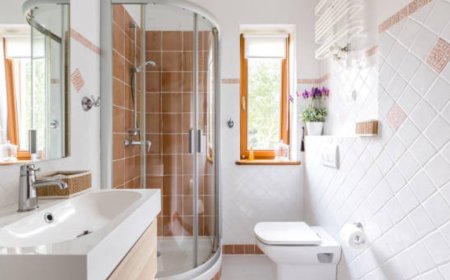
A walk-in shower is often the first choice for homeowners seeking a sleek, modern, and accessible bathroom design. These showers are designed without high thresholds, making them ideal for people of all ages, especially those planning for aging in place. Walk-in showers also create the illusion of more space, thanks to their clean lines and often frameless glass enclosures.
Beyond aesthetics, walk-in showers offer practical benefits. They are typically easier to clean than bathtubs, as there are fewer crevices where mold and grime can build up. Furthermore, walk-in showers can accommodate features like rain showerheads, handheld sprays, and even bench seating, providing a customizable and luxurious experience that elevates daily routines.
Timeless Appeal of Bathtubs
While walk-in showers are modern and practical, bathtubs continue to hold their own in bathroom design. A tub offers a level of relaxation that showers simply cant match. The ability to soak in a warm bath after a long day provides not just physical relief but also mental relaxation. Families with young children often find tubs more practical, as bathing toddlers and infants is typically safer and easier in a bathtub than a shower.
Moreover, bathtubs can add value to your home, particularly in markets where potential buyers view them as essential. Freestanding tubs, in particular, serve as stunning focal points in bathroom designs and convey a sense of luxury. From clawfoot designs to sleek, modern styles, a bathtub can enhance the visual and functional appeal of any bathroom space.
Practical Considerations for Residential Construction
When weighing the choice between a walk-in shower and a tub, its important to consider factors specific to your location and home type. In communities focused on residential construction, Markdale, Ontario, for example, homeowners often prioritize practical, long-lasting solutions that cater to diverse needs. A growing trend in Markdale leans towards modern, accessible designs like walk-in showers, especially in custom homes where future-proofing is key.
However, market preferences can vary, and some buyers may still expect at least one bathtub in a home. Whether youre renovating for your familys current needs or considering future resale value, its worth discussing these considerations with a contractor familiar with local expectations and housing trends. Balancing practicality with market appeal ensures your renovation decision aligns with both your lifestyle and potential investment returns.
Lifestyle Factors to Guide Your Decision
Your daily routine should play a significant role in deciding between a walk-in shower and a bathtub. If your mornings are fast-paced and efficiency is key, a walk-in shower might better suit your lifestyle. The convenience of stepping in and out quickly and the ability to adjust water pressure and temperature with ease are undeniable advantages for busy households.
On the other hand, if relaxation and self-care are high priorities, a bathtub might offer more value. Baths provide an opportunity to unwind, enjoy aromatherapy, or even engage in wellness rituals that showers can't replicate. Additionally, households with pets might appreciate the versatility of a tub for washing animals, a task less easily managed in a walk-in shower.
Space and Layout Considerations
The size and layout of your bathroom can greatly influence your choice. In smaller bathrooms, a walk-in shower is often the preferred solution as it opens up the space visually and physically. Frameless glass doors, in particular, can make a compact bathroom feel larger and more open. Showers can also be customized to fit awkward spaces where a standard tub might not be practical.
Conversely, if you have ample square footage, incorporating both a shower and a tub can offer the best of both worlds. Larger bathrooms allow for creative layouts, enabling homeowners to enjoy the efficiency of a shower and the indulgence of a soak. Evaluating your available space will help determine whether you can accommodate both features or need to prioritize one over the other.
Accessibility and Safety Features
Accessibility is a key factor, especially for those planning to age in place or accommodate family members with mobility challenges. Walk-in showers are inherently more accessible due to their low or zero-threshold entries, non-slip flooring, and the ability to add grab bars or seating. These features make them an excellent choice for anyone focused on long-term safety and ease of use.
Tubs, while relaxing, present more challenges in terms of accessibility. Stepping over high tub walls can be difficult for seniors or those with injuries. However, specialized solutions like walk-in tubs with doors and built-in seats are available, blending the soaking benefits of a tub with enhanced safety features. Still, these solutions often come at a higher cost and require careful planning during installation.
Maintenance and Upkeep
Maintenance is another consideration that might influence your choice. A walk-in shower generally requires less upkeep due to the absence of a deep basin and the use of materials like glass, tile, and stone that are easy to clean. Additionally, modern shower systems often include features that resist mold and mildew buildup, streamlining your cleaning routine.
Bathtubs, by contrast, can require more maintenance, particularly if they are used frequently. Regular cleaning is essential to prevent soap scum and hard water stains, and certain materials, like porcelain, can chip or discolor over time. If low-maintenance living is a priority, a walk-in shower may offer a more practical solution for your home.
Resale Value and Future Planning
Considering the potential resale value when making any renovation decision is wise. A walk-in shower can add contemporary appeal and signal that your home is designed with modern living in mind. Buyers often appreciate updated, spa-like bathrooms with walk-in showers, especially in homes targeting young professionals or retirees.
However, the absence of a bathtub might deter families with young children or those who simply enjoy a good soak. Real estate experts often advise maintaining at least one bathtub in the home for broader market appeal. If your home has multiple bathrooms, combining a walk-in shower in one and a tub in another may be the ideal compromise to satisfy diverse buyer expectations.
Conclusion
Ultimately, the decision between a walk-in shower and a bathtub depends on your personal needs, the layout of your home, and your plans. Walk-in showers offer unmatched convenience, modern aesthetics, and accessibility, making them an excellent choice for many households. Meanwhile, bathtubs provide unparalleled relaxation and remain a desirable feature for certain buyers. By evaluating your priorities carefully, you can ensure your bathroom renovation adds value, enhances daily living, and aligns with your home improvement goals.