




















A Step-by-Step Look at a Hygienist Appointment in Omagh
Discover what happens during a dental hygiene appointment, from plaque removal to polishing, and how each step supports healthier teeth and gums.


Visiting a hygienist in Omagh isnt just about getting your teeth cleanedit's about maintaining long-term oral health and preventing the kinds of issues that might one day send you rushing to an emergency dentist in Omagh. Yet, many people either underestimate the importance of these appointments or avoid them out of uncertainty about what they involve.
If you're unsure what to expect, this guide walks you through each stage of a standard hygiene visit, so you can arrive confident, informed, and ready to protect your smile.
Why Hygiene Appointments Matter More Than You Think
Dental hygiene appointments arent just for when things go wrong. Their main purpose is to stop things from going wrong in the first place. By regularly seeing a hygienist in Omagh, you reduce your risk of:
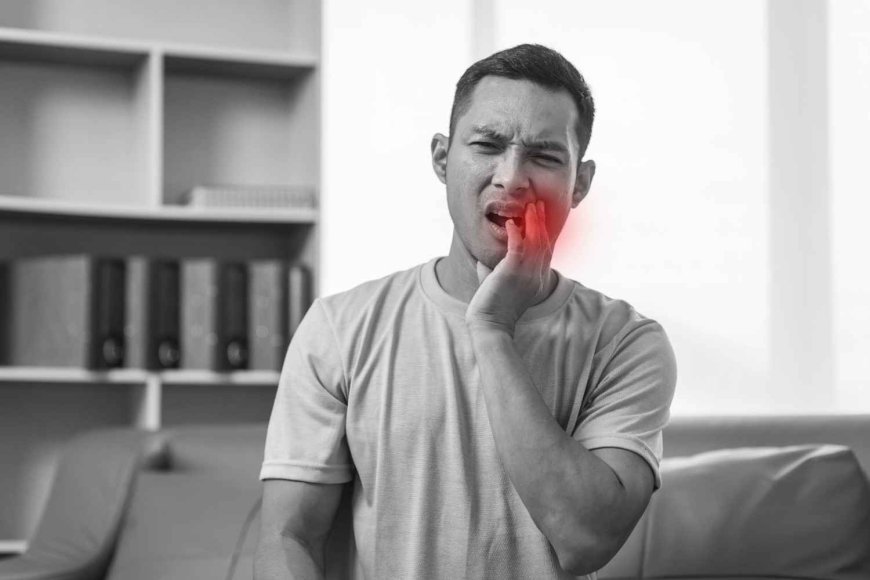
- Tooth decay
- Gum disease
- Bad breath
- Plaque and tartar build-up
- Emergency dental visits
Plus, youll gain professional advice tailored to your mouth, lifestyle, and habits.
Step 1: Reviewing Your Dental and Medical History
Every appointment begins with a quick review of your dental history. This gives your hygienist a better understanding of your oral health, habits, and any changes since your last visit.
They may ask questions like:
- Have you experienced any bleeding gums?
- Have you noticed increased sensitivity?
- Are you using any new medications?
- Do you smoke or consume sugary drinks regularly?
This information ensures yourhygienist in Omaghtailors the treatment to your specific needs.
Step 2: Gum Health Assessment
Healthy gums are vital for healthy teeth. Using a small instrument called a probe, the hygienist will check the depth of the pockets around your teeth to spot early signs of gum disease.
What they look for:
- Redness or swelling
- Gum recession
- Bleeding while probing
- Plaque below the gumline
Early detection at this stage can help you avoid a future visit to an emergency dentist in Omagh for abscesses or infection.
Step 3: Plaque and Tartar Removal (Scaling)
Now comes the cleaning. Using hand scalers or ultrasonic tools, your hygienist will remove hardened tartar (calculus) and plaque deposits from your teeth and gums.
Benefits of scaling:
- Reduces the risk of gum disease
- Prevents decay from forming in hard-to-reach areas
- Helps teeth feel noticeably smoother and cleaner
- Lowers the chance of inflammation or emergency care
This is often the part people worry will be painfulbut with gentle technique and modern tools, it's usually comfortable, and over quickly.
Step 4: Polishing Your Teeth
After the scaling, your teeth will be polished using a special gritty toothpaste and a rotating rubber cup. This helps to remove surface stains and smooth the enamel, making it harder for plaque to stick again.
Polishing helps:
- Remove stains from tea, coffee, or smoking
- Improve the brightness of your smile
- Leave your teeth feeling fresh and clean
This step is quick and often the most satisfying part of the appointment.
Step 5: Fluoride Treatment (If Needed)
Depending on your risk for cavities or enamel erosion, your hygienist may recommend a fluoride gel or varnish. This strengthens the tooth surface and helps prevent decay between visits.
Fluoride treatments are especially useful for:
- Children or teens
- Adults with sensitivity
- Patients with multiple restorations or a high-sugar diet
Fluoride is a preventive measure that can significantly reduce your chances of needing an emergency dentist in Omagh later on.
Step 6: Oral Hygiene Advice and Aftercare
Your hygienist will finish the appointment with personalised advice to help you maintain your oral health at home. This might include guidance on:
- Brushing technique and best toothbrush types
- Flossing or using interdental brushes
- Managing bad breath
- Dietary habits that affect oral health
- Smoking cessation tips
- How often should to return for hygiene care
Youll also receive recommendations for follow-up based on your gum health, usually every 3 to 6 months.
At-a-Glance: What Happens During Your Hygiene Visit
|
Step |
Whats Involved |
|
Medical & dental history |
Discuss concerns, changes in health, and lifestyle factors |
|
Gum assessment |
Check for early signs of gum disease using a probe |
|
Scaling |
Remove plaque and tartar with hand or ultrasonic tools |
|
Polishing |
Smooth teeth and remove surface stains |
|
Fluoride (if needed) |
Apply to strengthen enamel and prevent cavities |
|
Personalised advice |
Tailored tips on brushing, flossing, and lifestyle |
How Hygiene Visits Prevent Emergencies
You might think hygiene visits are entirely separate from emergency dentistry, but theyre your first line of defence.
Heres how regular visits to a hygienist in Omagh reduce emergency risks:
- Spot early issues before they become painful
- Prevent infections by keeping your gums healthy
- Avoid broken fillings by detecting weaknesses
- Control inflammation that could lead to abscesses
- Maintain restorations like implants or crowns
Many people who end up needing an emergency dentist in Omagh could have avoided the situation with earlier hygiene care.
How Often Should You See a Hygienist in Omagh?
The frequency of hygiene visits depends on your oral health needs, but routine care is essential for everyone.
- Every 6 months is ideal for most patients with healthy teeth and gums.
- Every 34 months may be recommended for those with a history of gum disease or heavy tartar build-up.
- Quarterly visits are often suggested for smokers, diabetics, or orthodontic patients.
- Children benefit from biannual appointments to support early oral habits.
- Your hygienist in Omagh will assess your condition and offer a personalised schedule.
- More frequent appointments reduce your risk of needing an emergency dentist in Omagh later.
Regular hygiene visits help manage minor concerns before they become major emergencies.
Signs You May Be Overdue for a Hygiene Appointment
Many patients only book when something feels wrong, but your mouth often gives subtle clues when its time for a cleaning.

Watch for these signs:
- Bleeding gums when brushing or flossing
- Persistent bad breath despite regular brushing
- Tartar build-up along the gumline
- Tooth sensitivity to hot or cold
- Gum recession or loose teeth
- A rough or coated feeling on the teeth
If youre experiencing any of the above, a visit to a hygienist in Omagh can help restore comfort and prevent potential visits to anemergency dentist in Omagh.
Conclusion
Your hygiene appointment is more than a cleaningit's a crucial part of your overall health strategy. From early detection to personalised care, every visit to a hygienist in Omagh strengthens your protection against serious dental issues. Routine prevention not only saves your smile but also reduces the chances of needing urgent intervention from an emergency dentist in Omagh. Whether youre due for your next cleaning or want to take proactive steps in your oral care journey, the trusted team at EDA Group is here to support your dental health every step of the way.