



















Choosing the Right Medical Supply Store: A Comprehensive Guide to Medical Equipment and Supplies

Access to reliable medical equipment and supplies is vital for effective healthcare deliverywhether in hospitals, outpatient clinics, long-term care facilities, or home healthcare settings. Medical supply stores play a crucial role in this supply chain, acting as the bridge between manufacturers and end-users. However, with thousands of products availablefrom durable medical equipment (DME) to consumables and diagnosticsnavigating a medical supply store requires knowledge, precision, and discernment.
This article explores the key considerations for selecting the right medical supply store, the types of medical equipment and supplies offered, and how healthcare providers and individuals can make informed purchasing decisions.
The Role of Medical Supply Stores
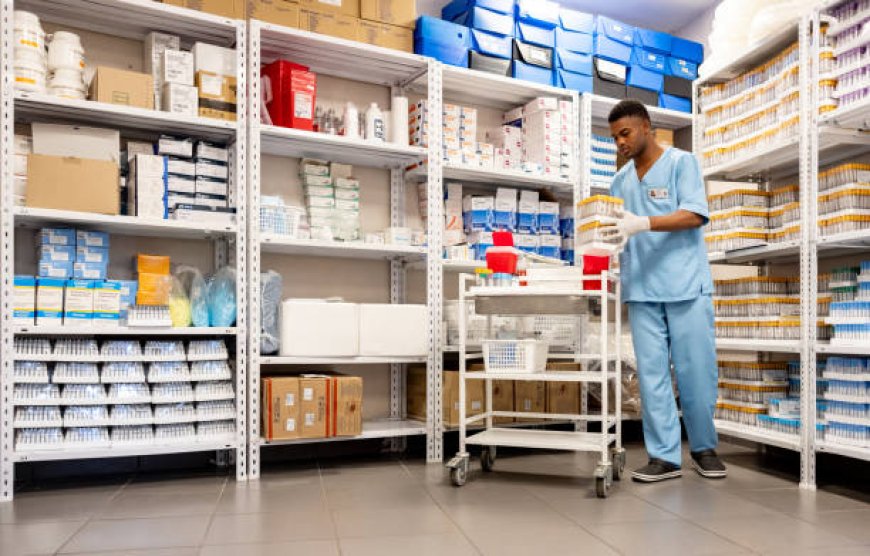
Medical supply stores serve healthcare professionals, caregivers, and patients by providing essential tools to manage health conditions, perform procedures, and ensure patient safety. These stores vary in scale and specializationfrom small community-focused outlets to large, online distributors offering thousands of SKUs.
Some specialize in specific categories such as rehabilitation products, wound care, or mobility aids, while others provide comprehensive inventories covering everything from surgical instruments to personal protective equipment (PPE).
Categories of Medical Equipment and Supplies
Understanding whats available is essential for anyone sourcing from a medical supply store. Products typically fall into the following categories:
1. Durable Medical Equipment (DME)
DMEs are reusable devices used to manage medical conditions over time. These include:
-
Wheelchairs and scooters
-
Hospital beds
-
Oxygen tanks and concentrators
-
Nebulizers and CPAP machines
-
Walkers, crutches, and canes
DMEs often require prescriptions and are commonly covered by insurance under certain conditions.
2. Diagnostic Equipment
This category includes tools used for medical examination and testing:
-
Blood pressure monitors
-
Glucometers
-
Thermometers (digital, infrared)
-
ECG machines
-
Pulse oximeters
Home-use diagnostic tools have seen a surge in demand post-pandemic, as telehealth and remote monitoring have become mainstream.
3. Consumables and Disposables
These are single-use items critical for maintaining hygiene and infection control:
-
Gloves, gowns, and masks
-
Syringes and needles
-
Wound dressings and bandages
-
Catheters
-
Incontinence supplies
Because they are used in high volume, pricing and inventory reliability are important.
4. Rehabilitation and Mobility Aids
Recovery-focused products designed to assist patients post-surgery or injury:
-
Braces and supports
-
Orthopedic pillows
-
Hot/cold therapy systems
-
Transfer boards and lifts
These often require customization and consultation with physical or occupational therapists.
5. Home Healthcare Supplies
For patients recovering at home or managing chronic conditions:
-
Medication organizers
-
Bath safety equipment (shower chairs, grab bars)
-
Nutritional supplements and feeding tubes
-
Home infusion kits
How to Choose the Right Medical Supply Store
Not all medical supply stores are created equal. The right supplier can improve patient outcomes and reduce administrative burdens. Heres what to look for:
1. Accreditation and Compliance
Reputable stores are often accredited by organizations such as The Joint Commission or the Accreditation Commission for Health Care (ACHC). This ensures they meet standards for safety, storage, and customer service. Also, ensure they comply with FDA regulations and local healthcare guidelines.
2. Product Range and Specialization
Choose a store that meets your specific needs. A large generalist may be useful for clinics or hospitals, while a specialized supplier might offer better support for niche items like ostomy products or pediatric equipment.
3. Customer Support and Clinical Knowledge
Quality medical supply stores employ knowledgeable staffincluding RNs, respiratory therapists, or medical equipment technicianswho can guide product selection, especially for complex items like ventilators or mobility devices.
4. Insurance and Billing Support
The best suppliers assist with insurance claims and documentation for DME. Look for a store that coordinates with Medicare, Medicaid, and private insurers to ease the administrative burden.
5. Delivery and Setup Services
For home health and hospice care, having equipment delivered, installed, and serviced is critical. Many top-tier suppliers offer same-day delivery, maintenance contracts, and 24/7 emergency support.
6. Return Policies and Warranties
Medical equipment can be costly. A transparent return policy and manufacturer warranty can offer peace of mind, particularly for electronic or customized equipment.
The Rise of Online Medical Supply Stores
E-commerce has transformed the healthcare supply chain. Online medical supply stores offer:
-
Broader inventory
-
Competitive pricing due to lower overhead
-
Subscription models for recurring supplies
-
Doorstep deliverycritical for mobility-impaired patients
However, buyers should be cautious and verify online retailers for legitimacy, customer reviews, and HIPAA-compliant checkout processes.
Emerging Trends in Medical Supply and Equipment
As the industry evolves, several key trends are shaping the future of medical supply sourcing:
-
Telehealth Integration: Devices like Bluetooth-enabled BP monitors or glucose meters are now integrated into telehealth platforms.
-
AI-Powered Inventory Management: Advanced systems predict demand and optimize stock levels for clinics and hospitals.
-
Sustainability: A shift toward eco-friendly disposable supplies and recyclable packaging is gaining momentum.
-
Customization and 3D Printing: Prosthetics, orthopedic braces, and splints can now be custom-manufactured quickly using 3D printing technology.Medical supply stores are an indispensable part of the healthcare ecosystem. Whether youre a professional managing clinical inventories or a patient recovering at home, choosing the right supplier is critical to ensuring safety, compliance, and effective care.