


















Fashion’s Outsider Queen: Rei Kawakubo and Her Kingdom of Garçons Comme des Garçons

In the often glitzy, formulaic world of high fashion, Rei Kawakubo stands as a paradoxical force: silent but seismic, invisible yet omnipresent. Comme Des Garcons As the founder and creative force behind Comme des Garons, Kawakubo has built an empire rooted not in conformity but in radical disruption. Her aesthetic, intellectual, and philosophical approach to fashion has redefined what clothing means, not only on the runway but in the broader cultural imagination. She is not merely a designershe is a provocateur, a sculptor of rebellion, and an architect of the abstract.
A Beginning Without Boundaries
Rei Kawakubo was born in Tokyo in 1942 and studied fine arts and literature at Keio University. Her background was not in fashion, nor did she receive formal training in design. Instead, she entered the fashion world through the commercial door, working in advertising and textile styling before launching Comme des Garons in 1969. It wasnt long before her unconventional garments began to draw attention, first in Tokyo and then across the fashion capitals of the world.
The brand name, French for like the boys, already suggested Kawakubos thematic direction: a challenging of gender norms, societal expectations, and traditional aesthetics. Unlike her contemporaries who emphasized the body through form-fitting silhouettes or ornate decoration, Kawakubo did the opposite. Her early designs were often monochromatic, asymmetrical, and androgynous. She didnt beautify; she questioned the very idea of beauty.
Paris, 1981: A Revolution Unleashed
It was in 1981, at her Paris debut, that Kawakubo truly shook the foundations of the fashion world. Her Destroy collectiondubbed Hiroshima chic by criticsfeatured garments that looked torn, unfinished, and almost post-apocalyptic. Shrouded in black, the models seemed more like poetic ruins than glamorous mannequins. The response was polarizing. Many were horrified. Others were in awe. But everyone was paying attention.
That moment didnt just mark a new chapter for Comme des Garons; it signaled a broader shift in the fashion landscape. Kawakubo introduced a new languageone of deconstruction, imperfection, and intellectual depth. It was fashion not for adornment, but for thought.
Design Without Design
One of the most intriguing aspects of Rei Kawakubos approach is her defiance of traditional design processes. She has often said that she does not sketch; instead, she works directly with fabric on mannequins. This hands-on, sculptural method allows her to treat garments as three-dimensional objects, not simply clothes.
Her work isnt about trends or seasonal updates. Its about concepts. Each collection becomes a philosophical inquirya meditation on dualities such as absence and presence, chaos and control, male and female. Through Comme des Garons, Kawakubo has consistently proposed that fashion can be art, that garments can provoke rather than please.
Anti-Fashion as Fashion
What makes Kawakubo so compelling is her unyielding commitment to anti-fashion. She doesnt design with wearability as a primary concern, nor does she chase consumer approval. Many of her most famous collections have been challenging to look at, let alone wear. From bulbous lumps and bumps to flat, body-obscuring panels, she has defied the conventions of flattering silhouettes.
In doing so, she has carved a space where discomfort is not a flaw but a feature. Kawakubos garments arent always beautiful by traditional standards, but they are powerful. They confront the viewer. They ask questions. They require interpretation. In an age of fast fashion and Instagram aesthetics, her work offers a compelling counterpointslow, thoughtful, and deeply original.
The Business of Defiance
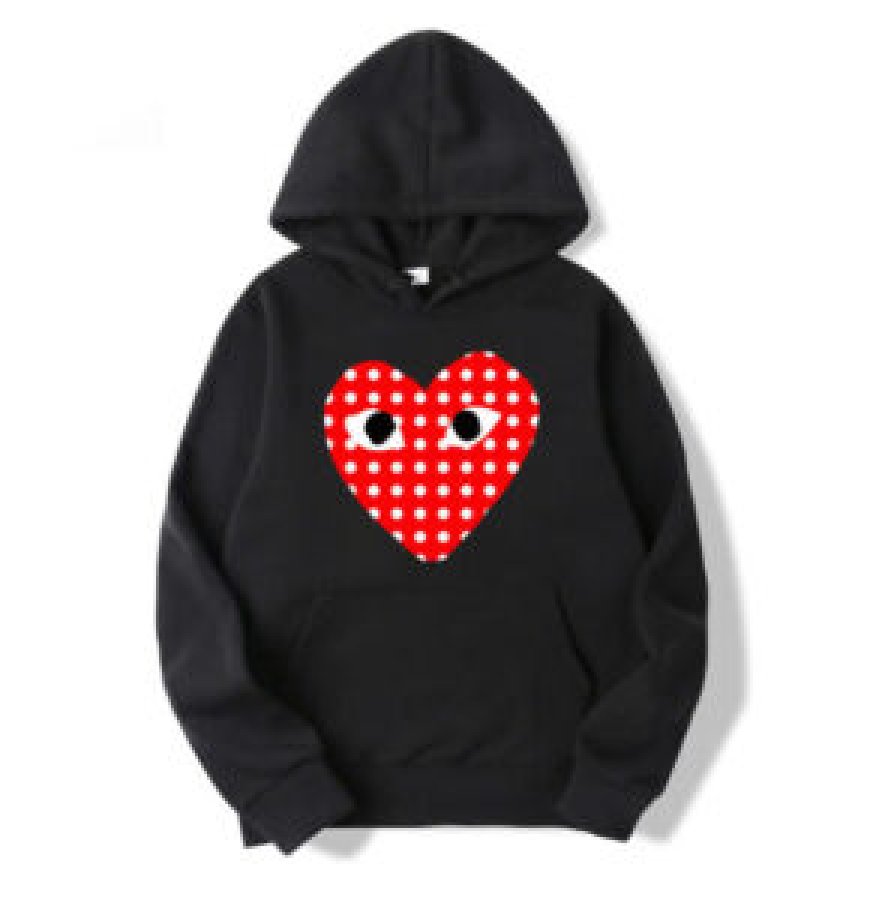
Despite her avant-garde sensibility, Kawakubo is also a shrewd businesswoman. The Comme des Garons brand encompasses multiple sub-labels, collaborations, and retail ventures. From the high-fashion realm of Comme des Garons Homme Plus to the playful irreverence of Play (recognizable by its iconic heart logo), her brand straddles commercial success and creative purity like few others.
Perhaps the most famous example of her commercial ingenuity is Dover Street Market, a concept store that feels more like a curated art space than a retail outlet. With locations in cities like London, New York, Tokyo, and Beijing, DSM brings together Comme des Garons labels with like-minded designers, artists, and fashion houses. Each store is a living, breathing expression of Kawakubos creative worlda collage of chaos, beauty, and intellectual rigor.
A Private Queen
Rei Kawakubo is famously reclusive. She rarely gives interviews and seldom appears publicly. In a celebrity-driven industry, her anonymity is almost mythical. This absence only intensifies her mystique. She lets her work speak for herand it shouts, whispers, and sings in turn.
Even when honored, Kawakubo remains elusive. In 2017, she became only the second living designer to be honored with a solo exhibition at the Metropolitan Museum of Arts Costume Institute, following Yves Saint Laurent. Titled Rei Kawakubo/Comme des Garons: Art of the In-Between, the exhibition was a testament to her influencenot only in fashion but in how we understand form, identity, and contradiction.
Influence Without Limits
Kawakubos influence is omnipresent, even in places where her name is unknown. Designers like Martin Margiela, Ann Demeulemeester, Yohji Yamamoto, and even younger talents like Craig Green and Simone Rocha owe debts to her deconstructive approach. Her work helped pave the way for the acceptance of fashion as an intellectual practice, worthy of critical analysis and academic study.
Yet Kawakubo herself resists being labeled an artist. Im not an artist, she once said. I make clothes. And yet, these clotheslayered, abstract, provocativeblur every boundary we might place between fashion, sculpture, performance, and philosophy.
The Kingdom Endures
Today, over five decades since founding Comme des Garons, Rei Kawakubo continues to challenge and surprise. Comme Des Garcons Hoodie Her shows remain the most anticipated on the Paris Fashion Week calendar, not because they follow trends but because they invent new worlds. Each collection is a statement, a challenge, an exploration.
In an era where fashion is often reduced to commerce and spectacle, Kawakubo insists on deeper truths. Her garments may not be for everyone, but they are for anyone willing to think, feel, and question. Through Comme des Garons, she has created a kingdom unlike any othera realm where the outsider is queen, and where fashion dares to be free.