



















How Google I/O 2024 Redefines AI, Android, and the Future of Search
Google I/O 2024 unveiled major shifts in AI, Android, and search. Here's how Veo3, prompt engineering, and AI trends are shaping the tech landscape.

The Day AI Got a Lot More Real
If youve ever watched a Google I/O keynote and thought, This sounds cool, but when will it actually affect my day-to-day?2024 was the year that changed.
This years Google I/O wasnt just a product parade; it felt like a glimpse into a very near future, one where AI trends go from buzzwords to building blocks. Whether youre eyeing a career in IT or just trying to keep up with whats coming next, this years announcements werent just flashythey were foundational.
I tuned in like I do every year, coffee in hand, notebook ready, expecting incremental upgrades. What I got instead? A wake-up call about how fast Googles AI game is evolvingand what that means for developers, creatives, and anyone who touches the internet.
AI Isnt Coming. Its Hereand Its Multimodal
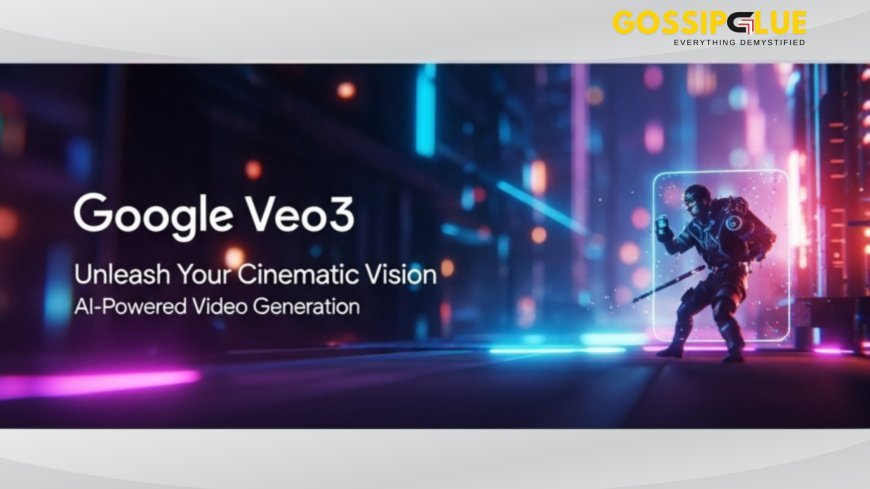
Lets start with what everyone was talking about: Veo3.
Google unveiled Veo3, its most advanced AI video model yet, and its genuinely impressive. Think: generating high-quality 1080p video from just a text prompt. No scripting, no editing timelinejust words. You say: A sunset timelapse over Tokyo, neon lights glowing, and Veo3 Googles engine turns it into something that looks like a clip straight out of a high-end production studio.
For creators, educators, marketers, and developers, this kind of tech opens the floodgates. No longer is AI limited to images or chatit now tells visual stories. And while theres still some Veo cost mystery (we dont yet know what access will look like long-term), the fact that Google is teasing Veo3 as a creative companion tells us theyre serious about democratizing video.
More importantly, it highlights a bigger AI trend: multimodal learning models. These are AIs that can understand and generate across text, audio, video, and even codeall in one system.
Prompt Engineering Just Became a Real Skill
One subtle but powerful theme this year? Prompt engineering.
As more of Googles toolsfrom Gemini to Searchbecome powered by AI, the way we interact with machines is shifting. Its less about clicking through menus and more about telling the system what you need, using clear, structured prompts.
Its not just something data scientists do. At Google I/O 2024, it became obvious: prompt engineering is a skill that creatives, developers, and educators alike will need to hone. Writing prompts that generate useful, relevant, high-quality output is becoming just as important as knowing how to code.
In fact, some of the best demos of Veo3 involved crafting really thoughtful prompts to get the perfect tone, lighting, and motion in generated video. Thats a real-world example of where language meets logicand its a space where aspiring IT pros can seriously shine.
Android Isnt Just a Phone Anymore
Remember when Android updates were all about emoji redesigns and battery life? Not anymore.
With Android 15, Google is leaning into AI-first features in a way that actually feels useful. From real-time summarization of your phones screen (even in third-party apps) to contextual voice assistants powered by Gemini, Android is becoming more predictive and personalized than ever.
And developers are being given new tools to build for this AI-native ecosystemfrom generative AI APIs to seamless cross-device experiences. If you're exploring an IT or app dev path, nows the time to dive deep into Googles dev libraries. The focus is clearly shifting from just mobile-first to AI-first.
Search Is EvolvingAnd It's a Little Weird (In a Good Way)
Lets talk about the elephant in the room: Google Search.
At I/O 2024, Google doubled down on AI Overviewsa bold, and honestly polarizing, evolution of the search experience. Instead of 10 blue links, youre getting an AI-generated answersynthesized from multiple sourcesat the top of the page.
Is it accurate? Is it ethical? Is it what users want?
All good questions, and the internet is buzzing about them. But whats clear is this: search is no longer about keywords. It's about context.
This is huge for content creators, SEOs, and even regular users. Understanding how Googles AI decides what content is authoritative, relevant, and useful will be a whole new game. Its also a reminder that prompt engineering applies to queries too. Asking better questions will yield better results.
AI in Education: From Buzz to Backbone
One of the more heartening segments of Google I/O 2024? How AI is being integrated into classrooms.
Google is developing tools that help personalize learning paths using Gemini modelsoffering students custom feedback, explanations in different tones or levels of complexity, and even AI-generated study guides.
For teachers, that means less time grading and more time engaging. For students, especially those in underserved communities, AI in education could mean getting the tailored support they need but never had access to before.
And for IT folks in edtech? The doors are wide open.
The Bottom Line: Youre Not Too LateBut You Do Need to Move
If theres one takeaway from Google I/O 2024, its this: the future isnt creeping in anymore. Its crashing through the gatesand its powered by Googles AI across every touchpoint: devices, apps, education, video, and the way we search.
But heres the thing: youre not behind. Youre right on time.
Whether you're a student considering a tech career, a marketer wondering how to use AI video like Veo3, or a developer curious about prompt engineering, theres room for you in this AI-powered world. The key is to start exploring, experimenting, and learning.
Use the tools. Test the models. Break things. Learn fast.
Because what Google showed us this year isnt just where tech is headingits where opportunity lives now.