


















How to Apply for Driving Licence
How to Apply for Driving Licence Obtaining a driving licence is one of the most significant milestones in adult life. It grants personal freedom, enhances mobility, and often serves as a primary form of government-issued identification. Whether you're a first-time applicant, relocating to a new country, or renewing an expired licence, understanding the correct process is essential to avoid delays,

How to Apply for Driving Licence
Obtaining a driving licence is one of the most significant milestones in adult life. It grants personal freedom, enhances mobility, and often serves as a primary form of government-issued identification. Whether you're a first-time applicant, relocating to a new country, or renewing an expired licence, understanding the correct process is essential to avoid delays, rejections, or legal complications. The application process varies by jurisdiction, but the core principles remain consistent: preparation, documentation, testing, and compliance. This comprehensive guide walks you through every phase of applying for a driving licence, offering practical steps, expert best practices, essential tools, real-world examples, and answers to frequently asked questions. By the end of this tutorial, you will have a clear, actionable roadmap to successfully obtain your licenceno matter your location or experience level.
Step-by-Step Guide
Applying for a driving licence is not a single event but a sequence of well-defined stages. Skipping or rushing any step can result in unnecessary setbacks. Below is a detailed, chronological breakdown of the process, designed to ensure you complete each requirement correctly and efficiently.
Step 1: Determine Your Eligibility
Before beginning any application, confirm you meet the basic legal requirements. These typically include:
- Minimum age (usually 1618, depending on jurisdiction and licence type)
- Proof of legal residency or citizenship
- No disqualifying medical conditions (e.g., uncontrolled epilepsy, severe vision impairment)
- No outstanding driving bans or suspended licences
Eligibility rules vary significantly. For example, in the United States, teens may obtain a learners permit at 15 or 16, while in the United Kingdom, the minimum age for a car licence is 17. In Australia, provisional licences are issued after passing a knowledge test, followed by a supervised driving period. Always consult your local motor vehicle authoritys official website to verify your eligibility before proceeding.
Step 2: Gather Required Documents
Documentation is the backbone of any successful application. Incomplete or incorrect paperwork is the leading cause of application rejections. Commonly required documents include:
- Proof of identity (passport, birth certificate, national ID card)
- Proof of residence (utility bill, bank statement, lease agreementmust be recent, typically within the last 3 months)
- Social Security Number or equivalent national identifier
- Parental consent form (for applicants under 18)
- Medical certificate (if required by local law or if you have a pre-existing condition)
- Previous driving licence (if renewing or transferring from another jurisdiction)
Always bring original documents and at least two photocopies. Some jurisdictions require documents to be certified or notarized. If your documents are in a language other than the official language of the issuing authority, you may need a certified translation. Keep digital scans of all documents on your phone and cloud storage as backups.
Step 3: Complete a Drivers Education Course (If Required)
In many regions, first-time applicantsespecially minorsare required to complete a state-approved drivers education program. These courses typically include:
- Classroom instruction on traffic laws, road signs, and defensive driving techniques
- Behind-the-wheel training with a certified instructor
- Hours of supervised driving with a licensed adult (often 3050 hours)
Completion certificates are mandatory for progressing to the next stage. Some schools offer online theory modules, while others require in-person sessions. Ensure the provider is officially recognized by your local licensing authority. In some areas, completing drivers education may reduce the waiting period for a full licence or lower insurance premiums later.
Step 4: Apply for a Learners Permit
A learners permit (also known as a provisional or instruction permit) allows you to practice driving under supervision. To apply:
- Visit your local motor vehicle office or access the online application portal.
- Fill out the application form accuratelyerrors can delay processing.
- Submit all required documents and pay the application fee (typically $10$50).
- Pass a vision test to ensure you meet minimum acuity standards.
- Take and pass a written knowledge test covering traffic rules, road signs, and safe driving practices.
The knowledge test is often multiple-choice and may be administered on a computer or paper. Study materials are usually available for free on the licensing authoritys website. Practice tests are highly recommendedthey mirror the real exam and help reduce anxiety. Once approved, your learners permit will be issued, either immediately or via mail within 714 days.
Step 5: Practice Driving Under Supervision
With your learners permit, you may now begin supervised driving. Rules vary, but common restrictions include:
- Driving only with a licensed adult (usually 21+ years old) in the front passenger seat
- No driving between midnight and 5 a.m. (curfew for minors)
- No use of mobile phones while driving
- Zero tolerance for alcohol or drugs
Practice regularly in diverse conditions: highways, urban streets, night driving, rain, and heavy traffic. Keep a driving log to record hours, locations, and skills practiced. Many jurisdictions require a minimum number of supervised hours before you can schedule a road testtypically 50100 hours, with 1015 at night.
Step 6: Schedule and Prepare for the Road Test
Once youve met the required practice hours and age criteria, schedule your road test. Most jurisdictions allow online booking through their official portal. Choose a time when youre well-rested and not rushed.
Before the test, ensure your vehicle meets all safety requirements:
- Valid registration and insurance
- Working brakes, lights, turn signals, mirrors, and seat belts
- No cracked windshield or obstructed view
- Clean interior and exterior
Bring your learners permit, proof of insurance, and vehicle registration. Dress appropriatelyavoid sandals or loose clothing that may interfere with pedal control. Arrive early to complete paperwork and perform a pre-test vehicle inspection.
The road test typically lasts 2030 minutes and evaluates:
- Vehicle control (steering, acceleration, braking)
- Observation and scanning (mirrors, blind spots)
- Signaling and lane changes
- Intersection navigation and yielding right-of-way
- Parallel parking and other maneuvers
- Compliance with traffic signals and signs
Examiners look for smooth, predictable, and safe drivingnot perfection. Minor mistakes may be tolerated; major errors (e.g., failing to stop at a stop sign, unsafe lane change) result in automatic failure.
Step 7: Receive Your Provisional or Full Drivers Licence
If you pass the road test, youll typically receive a temporary paper licence immediately, valid until your plastic card arrives in the mail (usually within 26 weeks). Some jurisdictions issue digital licences via mobile apps.
Provisional licences (for new drivers under 18 or 21) often come with additional restrictions:
- Passenger limits (e.g., no more than one non-family member under 21)
- Curfews
- Zero alcohol tolerance
After a probationary period (usually 612 months), and if you have no violations, you may upgrade to a full, unrestricted licence. Keep your provisional licence visible on the dashboard if required by law.
Step 8: Renew or Replace Your Licence
Driving licences have expiration dates, typically every 48 years. Renewal procedures are simpler than initial applications:
- Receive a renewal notice by mail (or check online for status)
- Update your address if changed
- Pay the renewal fee
- Pass a vision test (often required at renewal)
- Submit a new photo if needed
Some jurisdictions allow online or mail-in renewals. Others require an in-person visit. If your licence is lost, stolen, or damaged, apply for a replacement immediately. A valid licence is required for identification, renting vehicles, and sometimes even cashing checks.
Best Practices
Success in obtaining a driving licence isnt just about following stepsits about adopting habits that ensure efficiency, safety, and long-term compliance. Here are the most effective best practices to follow throughout your journey.
Start Early and Plan Ahead
Dont wait until you need your licence urgently. The entire processfrom education to testingcan take 312 months, depending on your age and jurisdiction. Begin researching requirements as soon as youre eligible. Booking road tests can involve long wait times, especially in high-demand areas. Schedule your knowledge and road tests as soon as youre eligible to avoid delays.
Study Consistently, Not Cramming
Memory retention improves with spaced repetition. Dedicate 1520 minutes daily to studying drivers manuals, flashcards, or online quizzes. Focus on understanding why rules existnot just memorizing answers. For example, knowing that yield signs mean slow down and be prepared to stop is more valuable than simply recalling its a triangle.
Practice in Real-World Conditions
Many applicants fail their road test because theyve only practiced in quiet neighborhoods. Seek out varied environments: highways, roundabouts, school zones, and busy intersections. Practice during dawn, dusk, and rain if possible. Ask your supervising driver to simulate unexpected scenariossudden stops, pedestrians crossing, or blocked lanes.
Record Your Practice Hours Accurately
Keep a detailed logbook with dates, times, locations, weather conditions, and skills practiced. Some jurisdictions require notarization or signature from your supervisor. Digital logs via apps (e.g., DriveSafe, MyFirstDrive) are often accepted and reduce the risk of lost paper records.
Never Drive Under the Influence
Even one drink can impair judgment and reaction time. Many jurisdictions enforce zero-tolerance policies for drivers under 21. Violations can lead to immediate licence suspension, fines, mandatory education, or criminal charges. Always designate a sober driver or use public transport if youve consumed alcohol or drugs.
Know Your Rights and Responsibilities
As a new driver, youre entitled to fair testing conditions. If you believe the examiner was biased or the test was improperly administered, most jurisdictions allow you to file a formal appeal. Document the time, location, and details of the test. However, do not argue with the examiner during the testremain calm and professional.
Update Your Information Promptly
Change of address, name, or medical condition must be reported to the licensing authority within a specified timeframe (usually 1030 days). Failure to do so can invalidate your licence or result in fines. Keep your contact details current in the system to receive renewal notices and legal updates.
Invest in Defensive Driving Courses
Even after obtaining your licence, consider enrolling in a defensive driving course. These courses improve hazard perception, reduce accident risk, and often qualify you for insurance discounts. Many insurers offer up to 10% off premiums for certified drivers.
Tools and Resources
Leveraging the right tools and resources can significantly streamline your application process and enhance your learning experience. Below is a curated list of essential tools, platforms, and materials to support your journey.
Official Government Websites
Always start with your jurisdictions official motor vehicle department website. These are the most reliable sources for:
- Application forms and checklists
- Fee schedules
- Test preparation materials
- Appointment scheduling
- Real-time processing status
Examples:
- United States: dmv.gov (state-specific sites like ca.gov/dmv, ny.gov/dmv)
- United Kingdom: gov.uk/driving-licence
- Australia: service.nsw.gov.au/transport
- Canada: ServiceOntario, ICBC (BC), SAAQ (Quebec)
- India: parivahan.gov.in
Drivers Education Apps
Mobile applications make studying convenient and interactive:
- Drivers Ed (by DriversEd.com) Offers state-specific practice tests and study guides.
- DMV Genius Provides realistic practice exams with explanations for each answer.
- Safe Driving Coach Includes video tutorials and driving simulations.
- MyFirstDrive Helps log supervised driving hours with GPS tracking.
Many of these apps are free or offer premium upgrades for advanced features like progress tracking and personalized study plans.
Online Practice Tests
Free, official practice tests are available on most state/provincial DMV websites. These are invaluable because they reflect the exact format and content of the real exam. Avoid third-party sites that charge for outdated or inaccurate questions.
Recommended practice test sites:
- DMV.org (U.S. state-specific tests)
- DrivingTests.org
- PracticeDrivingTest.com
Take at least 510 full-length practice tests before scheduling your knowledge exam. Aim for consistent scores of 90% or higher.
Vehicle Inspection Checklists
Before your road test, perform a pre-drive safety check using a checklist:
- Brakes: firm and responsive
- Tires: adequate tread, no visible damage
- Lights: headlights, brake lights, turn signals working
- Windshield wipers: clean and functional
- Fluids: oil, coolant, windshield washer fluid at proper levels
- Mirrors: adjusted for clear rear and side visibility
- Seat belts: all functional and clean
Print or save a checklist on your phone. Many driving schools provide these for free.
Driving Log Templates
Use a printable or digital log to record your supervised hours. Templates are available on official DMV websites. Include:
- Date and time
- Location (e.g., Highway 101, Downtown)
- Weather and road conditions
- Skills practiced (e.g., merging, parking, highway driving)
- Supervisors signature
Some jurisdictions require 50+ hours with 10+ at night. Keep this log organizedit may be reviewed during your road test or renewal.
Insurance and Financial Tools
New drivers often face high insurance premiums. Use comparison tools like:
- Insurify
- CompareTheMarket
- Policygenius
Ask about discounts for:
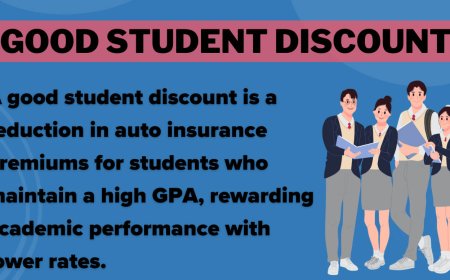
- Good student grades
- Completing drivers education
- Installing telematics devices (usage-based insurance)
Some insurers offer free apps that monitor driving behavior and reward safe habits.
Real Examples
Real-world scenarios illustrate how the application process unfolds in different contexts. Below are three detailed case studies of individuals who successfully obtained their licences under varying conditions.
Case Study 1: Emma, Age 16, California, USA
Emma began preparing for her licence at age 15.5. She enrolled in a state-approved drivers education course at her high school, which included 30 hours of classroom instruction and 6 hours of behind-the-wheel training. She studied the California Driver Handbook daily using the DMV Genius app and took 12 practice tests before feeling confident.
At 16, she visited her local DMV with her birth certificate, school ID, and proof of residency. She passed the vision test and written exam on her first attempt. She received her learners permit immediately.
Over the next six months, Emma drove with her mother for 62 hours, logging each session in a digital app. She practiced on freeways, in heavy rain, and at night. When she turned 17, she scheduled her road test two weeks in advance.
On test day, she used her familys well-maintained sedan. She passed with only minor deductions for a slight hesitation at a stop sign. She received her provisional licence the same day and upgraded to a full licence after one year with no violations.
Case Study 2: Raj, Age 22, Toronto, Canada
Raj moved to Canada from India with an international driving permit. He needed to exchange his foreign licence for an Ontario one. He visited ServiceOntario with his passport, Indian licence, proof of address, and a letter from his home countrys licensing authority confirming his driving history.
Since he had over two years of driving experience, he was exempt from the learners permit stage. He passed a vision test and a written knowledge test on traffic signs and Canadian road rules. He was then eligible to take the road test.
He booked his road test through the online portal and practiced for three weeks with a certified driving instructor. He passed the test and received his G2 licence. After 12 months with no demerit points, he upgraded to a full G licence.
Case Study 3: Aisha, Age 19, Lagos, Nigeria
Aisha applied for her first licence after graduating from university. She visited the Federal Road Safety Corps (FRSC) office and submitted her international passport, birth certificate, and a medical certificate from a licensed clinic.
She enrolled in a 14-day classroom course covering traffic laws and defensive driving. After passing the theory exam, she was scheduled for a practical test. Due to high demand, she waited six weeks for her slot.
She practiced daily with a friend who held a valid licence. On test day, she was tested on parallel parking, U-turns, and navigating a busy market area. She passed and received her temporary licence. Her plastic card arrived 10 days later.
Aisha now uses the FRSC mobile app to renew her licence and check for traffic violations.
FAQs
Can I apply for a driving licence online?
In many jurisdictions, you can begin the application process onlinesubmitting forms, scheduling tests, and paying fees. However, most require an in-person visit for identity verification, vision testing, and photo capture. Always check your local authoritys website for exact procedures.
What if I fail the road test?
Failing the road test is common. Most jurisdictions allow you to retake the test after a waiting period (e.g., 730 days). Use the feedback provided to identify areas for improvement. Consider taking additional lessons before reapplying. There is usually a fee for each retake.
Do I need a medical exam to get a licence?
Generally, nobut if you have a medical condition that may affect driving (e.g., diabetes, epilepsy, severe vision or hearing loss), you may be required to submit a physicians assessment. Some jurisdictions also require medical exams for drivers over a certain age.
Can I use my foreign driving licence in a new country?
Many countries allow temporary use of a foreign licence (typically 312 months) if its valid and accompanied by an official translation or International Driving Permit (IDP). After that, you must apply for a local licence. Rules varyalways verify with the local motor authority.
How long does it take to get a licence after passing the test?
Processing time varies. You may receive a temporary paper licence immediately. The physical card typically arrives by mail in 721 business days. Some jurisdictions offer digital licences accessible via app.
Is there an age limit to get a driving licence?
There is a minimum age (usually 1618), but no maximum age. However, older drivers may be required to renew more frequently or undergo medical assessments to ensure continued fitness to drive.
Can I drive with a learners permit alone?
No. A learners permit requires a licensed adult to be seated beside you at all times. Driving alone with only a learners permit is illegal and can result in fines, licence suspension, or vehicle impoundment.
Do I need car insurance to get a licence?
You do not need insurance to apply for the licence itself, but you must have valid insurance to take the road test and to drive legally afterward. Most testing centers require proof of insurance before allowing you to use the vehicle.
What documents can I use as proof of address?
Acceptable documents typically include: recent utility bill, bank statement, lease agreement, government correspondence, or tax documentall issued within the last 3 months and showing your full name and current address.
Can I apply for a commercial licence at the same time?
No. Commercial drivers licences (CDLs) require separate applications, additional training, and specialized testing. You must first hold a valid standard drivers licence before applying for a CDL.
Conclusion
Applying for a driving licence is more than a bureaucratic procedureits a rite of passage that empowers independence and responsibility. By following the step-by-step guide outlined here, adhering to best practices, utilizing the recommended tools, and learning from real-world examples, you position yourself not only to pass the tests but to become a safe, confident, and law-abiding driver for life.
The journey may require patience, practice, and persistence, but each step builds critical skills that extend beyond the road. From understanding traffic laws to developing situational awareness, the process cultivates discipline and accountability. Whether youre navigating your first intersection or renewing your licence after decades, the principles remain the same: prepare thoroughly, stay informed, and drive with care.
Remember: a driving licence is not just permission to operate a vehicleits a privilege granted by society, earned through responsibility, and maintained through vigilance. Use it wisely.