


















Solar Power Installation – A Smart Step Toward Energy Efficiency
As energy costs continue to rise and environmental concerns become more pressing, homeowners and businesses alike are seeking reliable, sustainable energy solutions. Among the most effective options available today is solar power installation. This system harnesses sunlight and converts it into electricity, offering long-term benefits for both your wallet and the planet.

As energy costs continue to rise and environmental concerns become more pressing, homeowners and businesses alike are seeking reliable, sustainable energy solutions. Among the most effective options available today is solar power installation. This system harnesses sunlight and converts it into electricity, offering long-term benefits for both your wallet and the planet.
In this blog, we will explore the essentials of solar power installationwhat it involves, how it works, its benefits, and what you should consider before getting started.
What is Solar Power Installation?
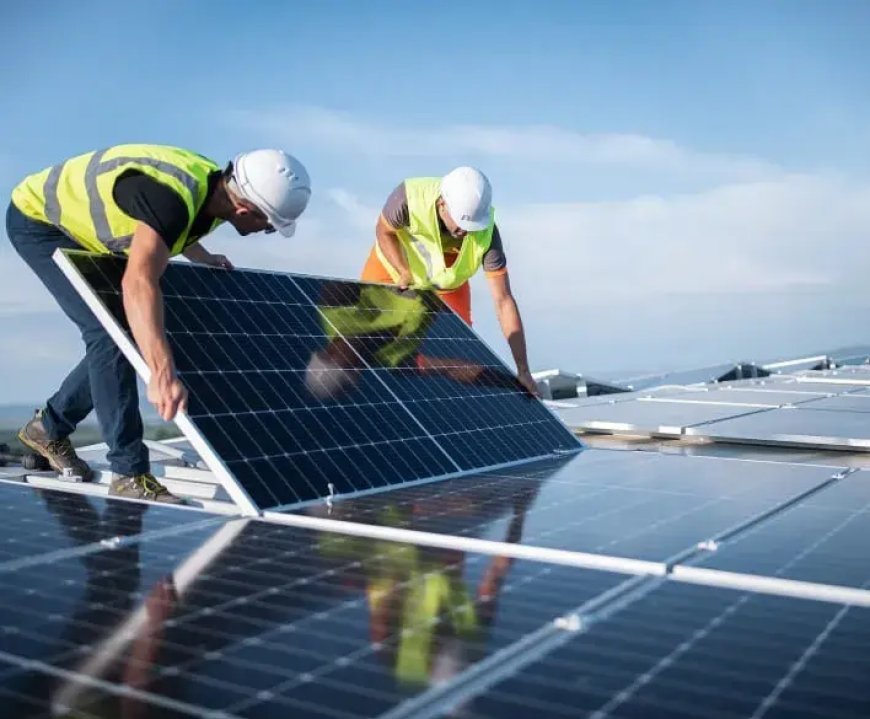
Solar power installation is the process of setting up a system that converts sunlight into usable electrical energy. It typically involves mounting solar panels on a rooftop or ground surface, connecting them to an inverter, and integrating the setup into the home or building's electrical system. The goal is to generate electricity that can either supplement or replace power from the grid.
How Does Solar Power Work?
The system primarily consists of three components:
-
Solar Panels These absorb sunlight and convert it into direct current (DC) electricity.
-
Inverter The inverter converts DC electricity into alternating current (AC), which is what most household appliances use.
-
Meter and Connection The electricity is then used to power your home, and any excess energy may be sent back to the grid (if you have a grid-tied system).
Steps Involved in Solar Power Installation
1. Site Assessment
A solar expert inspects your roof or land area to determine the best placement for panels, taking into account factors like sunlight exposure, roof angle, and shading.
2. System Design
Based on your energy needs, a custom system is designed to ensure optimal performance and efficiency.
3. Permits and Approvals
Local permits and approvals are required before installation begins. Your installer typically handles this part of the process.
4. Installation
The solar panels, inverter, and other components are installed and securely mounted. The system is connected to your homes electrical supply.
5. Inspection and Activation
After installation, a final inspection is carried out to ensure safety and compliance. Once approved, your system is activated and begins producing electricity.
Benefits of Solar Power Installation
1. Reduced Electricity Bills
Once installed, solar power significantly reduces your monthly electricity expenses by allowing you to generate your own energy.
2. Environmentally Friendly
Solar energy is clean and renewable. A typical home solar system can reduce carbon emissions by several tonnes each year.
3. Increased Property Value
Homes with solar power installation often see an increase in property value due to lower utility costs and modern energy features.
4. Low Maintenance
Solar power systems require minimal maintenance. Occasional cleaning and periodic inspections are usually sufficient to keep the system running smoothly.
5. Energy Independence
By producing your own electricity, you become less reliant on the grid, which is especially helpful during power outages or rising energy prices.
Cost of Solar Power Installation
The cost of solar power installation depends on several factors, including:
-
System size and capacity
-
Type and quality of solar panels
-
Roof type and installation complexity
-
Location and available sunlight hours
-
Battery storage (if included)
Although the initial cost may seem high, many homeowners recover their investment within a few years through energy savings and government incentives. A commercial battery system allows businesses to store excess solar energy for use during peak hours or power outages.
Government Incentives and Rebates
Many governments offer financial incentives to make solar power installation more affordable. These may include:
-
Upfront rebates
-
Tax credits
-
Feed-in tariffs for excess power returned to the grid
-
Low-interest loans or financing options
Check with local authorities or certified installers to find out what incentives are available in your region.
Things to Consider Before Installation
-
Energy Needs Evaluate your average electricity consumption to determine the right system size.
-
Roof Condition Make sure your roof is in good shape and has enough space for panel placement.
-
Installer Credentials Choose a licensed, experienced installer with a solid track record.
-
Warranty and Support Look for systems with a reliable warranty and ongoing customer support.
Conclusion
A solar power installation is a practical and forward-thinking choice for those who want to lower energy costs, increase property value, and contribute to a cleaner environment. While the initial setup requires planning and investment, the long-term benefits are substantialboth financially and ecologically.
By choosing a trusted installer and evaluating your energy needs, you can enjoy the rewards of a well-designed solar energy system for many years to come. Whether you're looking to power your home, reduce your carbon footprint, or gain energy independence, solar power is a step in the right direction. Commercial solar systems are an effective solution for businesses looking to reduce electricity costs and operate more sustainably.