The Role of Fashion in Cultural Identity

Fashion is far more than just a way to cover the body or follow fleeting trendsit is a powerful form of self-expression and a vital part of cultural identity. Around the world, clothing styles often reflect history, traditions, beliefs, and values of a community. Whether through traditional garments passed down through generations or contemporary designs inspired by heritage, fashion continues to shape and showcase the identity of different cultures.
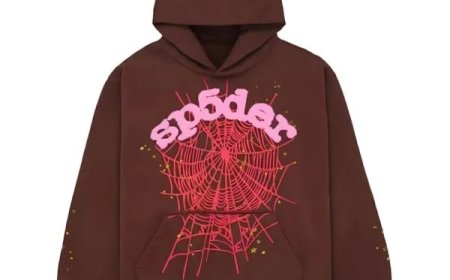
Today, as global communication, migration, and travel bring cultures closer together, fashion becomes a bridge that connects and also distinguishes people. Even modern pieces like theFresh Love Hoodiecan be part of a cultural statement, blending contemporary style with personal meaning.
Fashion as a Reflection of Heritage
At its core, cultural identity is the shared sense of belonging to a group defined by nationality, ethnicity, religion, or shared customs. Fashion reflects this identity in the colors, fabrics, patterns, and symbols that are used in traditional attire. From the embroidered kurtas of South Asia to the kilts of Scotland, the abayas in the Middle East to the hanboks of Korea, each item of clothing tells a story.
The patterns woven into a garment can reflect tribal affiliations, social status, marital status, or religious beliefs. In African cultures, for example, Ankara prints and kente cloths arent just chosen for their vibrant aestheticsthey also carry symbolic meanings about strength, unity, fertility, and history. Similarly, the Native American headdresses or woven blankets are deeply spiritual and are worn with pride during sacred ceremonies.
Tradition vs. Modernization
As societies evolve and modernize, traditional fashion often faces the challenge of relevance. Many younger generations, influenced by Western fashion trends and fast fashion, drift away from cultural clothing. However, in recent years, there has been a significant resurgence in traditional fashion, not only during festivals or cultural events but also in everyday wear.
Designers across the globe are creatively fusing traditional elements with modern designs. For instance, a young Pakistani might wear a denim jacket embroidered with phulkari patterns, or a Japanese student might incorporate elements of the kimono into a modern dress. This fusion allows people to remain connected to their roots while still fitting into the global style narrative.
Cultural Pride Through Fashion
Fashion serves as a bold statement of cultural pride. Wearing traditional or culturally inspired clothing in public can be an act of resistance, especially in environments where minority cultures are marginalized or stereotyped. For many people in diaspora communities, clothing becomes a direct link to their heritagea way to remember where they come from and to proudly present their identity in foreign lands.
Events like cultural festivals, weddings, and religious gatherings often see attendees wearing elaborate traditional attire, sometimes tailored specifically for that event. These moments not only preserve cultural fashion but also celebrate it, passing on its importance to the next generation.
Fashion as Political Expression
Fashion can also serve as a political tool, symbolizing resistance, rebellion, or unity. Think of the Black Panthers and their black berets, leather jackets, and sunglassesuniforms that werent just fashionable but symbolic of power and resistance. In India, Mahatma Gandhis promotion of khadi (handwoven cloth) was not just about clothesit was a movement toward self-reliance and independence from British rule.
More recently, movements like My Hijab My Right or pride parades across the globe have shown how clothing choices can serve as statements about identity, freedom, and rights. Clothing becomes a visible expression of internal beliefs and cultural allegiance.
Globalization and Cultural Exchange
While globalization has opened up access to diverse fashion styles, it has also led to the blending and sometimes the erasure of cultural identities. Popular trends often borrow elements from indigenous or traditional dress without understanding or respecting their significancea process known as cultural appropriation.
For example, wearing a Native American headdress as a fashion accessory during a music festival or using sacred religious symbols on casual apparel may be offensive to those for whom these items hold deep cultural and spiritual value. On the other hand, respectful cultural exchangewhere fashion designers collaborate with traditional artisans and give credit and profit to the originating communitiescan be empowering.
Brands and influencers must be mindful of this difference, making sure that cultural inspiration is used as a form of celebration, not exploitation.
The Fashion Industrys Role
The global fashion industry holds significant power in shaping how cultures are represented and respected. When runways and fashion magazines showcase diverse models in authentic cultural attire, it sends a powerful message about inclusivity and identity.
More designers today are taking pride in their roots. Designers like Stella Jean (Haitian-Italian), Manish Arora (Indian), and Duro Olowu (Nigerian-Jamaican) use fashion as a canvas to tell cultural stories. Their collections dont just sell clothesthey educate, inspire, and empower.
Sustainable fashion is also making a comeback, encouraging the use of traditional, handmade, and eco-friendly techniques. This not only helps preserve traditional crafts but also provides income to artisans around the world.
Youth and Cultural Expression
Young people today are finding innovative ways to merge fashion with identity. Through social media platforms like Instagram, TikTok, and Pinterest, they showcase how cultural fashion can be trendy, cool, and relevant.
From reviving old textile techniques to incorporating folk art into accessories, young creators are not only preserving their heritage but reinventing it for the future. Many also use their platforms to call out cultural insensitivity and promote awareness about the importance of respecting traditional dress.
Fashion and Religious Identity
Religious clothing also plays a significant role in shaping cultural identity. From the Sikh turban to the Jewish kippah, Islamic hijab to the Buddhist monk's robesuch garments are not only spiritual but cultural symbols.
In many parts of the world, religious attire is a source of pride and identity, but in others, it can lead to discrimination. The politics around wearing the hijab in Europe or the ban on religious symbols in schools have made religious fashion a hot topic.
However, with greater awareness and education, attitudes are changing. Many fashion brands now include modest fashion lines or faith-inclusive designs. This shift not only supports religious freedom but allows individuals to express their beliefs proudly.
The Psychological Connection
What we wear significantly affects how we feel about ourselves. Clothing linked to cultural identity often provides a sense of comfort, belonging, and confidence. For immigrants or those living away from their homeland, wearing traditional fashion can evoke nostalgia and emotional connection.
Even among children and teens, having access to cultural attire during festivals or school events helps build self-esteem and cultural pride. It teaches them to embrace who they are rather than conform to mainstream trends.
Conclusion: Fashion as a Cultural Anchor
In the ever-changing world of fashion, cultural identity remains a powerful anchor. While trends come and go, the deep meaning embedded in traditional clothing continues to shape how individuals and communities see themselves and are seen by others.
Whether used for celebration, resistance, remembrance, or pride, fashion is a living expression of culture. It speaks without words and tells stories that cross generations. In a global society that often values conformity, embracing cultural fashion is a powerful reminder of diversity, heritage, and authenticity.
As people continue to rediscover and redefine their cultural roots, fashion will remain at the forefrontcolorful, creative, and deeply personal.