
















What Are the Most Durable Heat Exchanger Parts for Fin Fan Heat Exchangers?
Fin fan warmth exchangers are air-cooled systems that update traditional water-cooled solutions, making them especially appropriate for regions with constrained water resources.

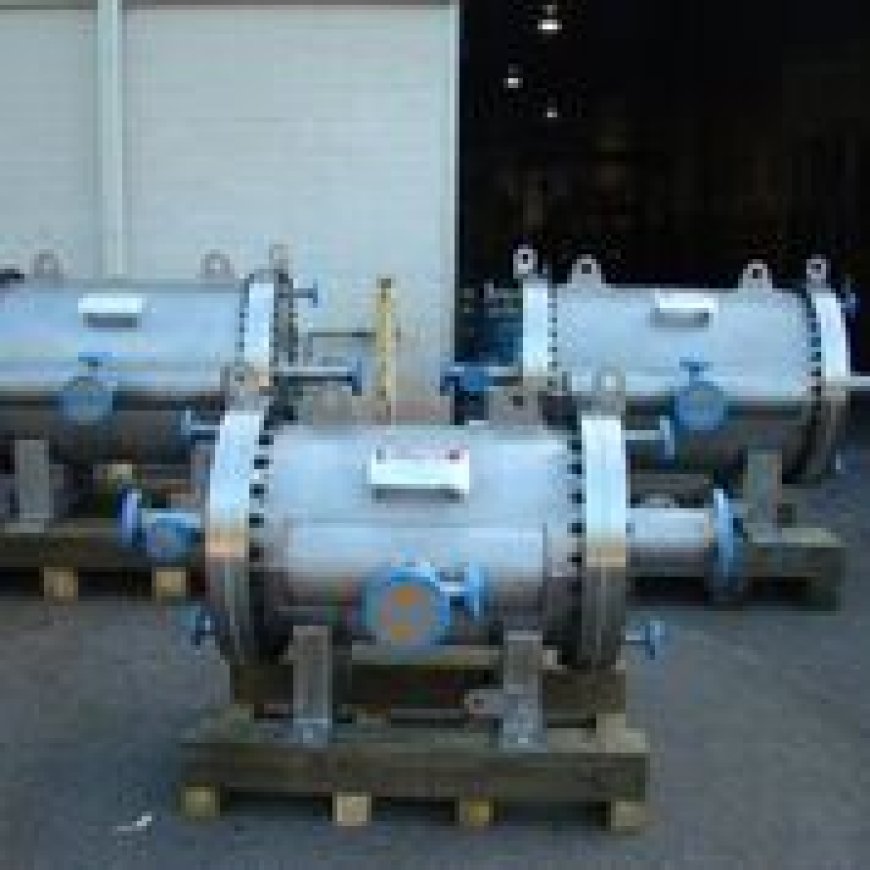
Heat exchanger components play a vital role in a wide range of industries, such as petrochemical, electricity era, HVAC, and technique manufacturing. These mechanical gadgets depend on a series of critical components to perform warmth transfer efficiently between fluids. Each thing should be meticulously designed and decided on for durability, cloth compatibility, and environmental overall performance. The focus keyword warmth exchanger components refers to essential elements like tubes, tube sheets, fins, lovers, gaskets, and headers which are chargeable for powerful thermal law in a device. Especially in fin fan warmness exchangers, those components have to face up to intense temperatures, strain fluctuations, and corrosive substances. Over time, any compromise within the best or preservation of these components can result in operational inefficiencies and protection hazards.
Fin Fan Heat Exchangers: Structure and Functionality
Fin fan warmth exchangers are air-cooled systems that update traditional water-cooled solutions, making them especially appropriate for regions with constrained water resources. These exchangers utilize ambient air, propelled with the aid of lovers, to cool fluids flowing through finned tubes. As such, their creation and core heat exchanger parts fluctuate from shell-and-tube or plate-type models. Key parts include aluminum or copper fins for greater floor location, axial lovers for choicest airflow, finned tubes for better warmth dissipation, and plenum chambers to guide air correctly. Each of those elements ought to function in tandem for max performance. Because the lovers function continuously in harsh out of doors situations, deciding on the right fan motor, blade cloth, and shielding coatings is paramount to extend the life of fin fan heat exchangers.
Material Selection for Heat Exchanger Parts
Material composition is crucial when deciding on or changing warmness exchanger parts. In industries that manage corrosive chemicals or perform in marine environments, materials like stainless-steel, copper alloys, and titanium are often preferred for their resistance to degradation. For fin fan warmth exchangers, aluminum fins are normally used because of their exquisite heat conductivity and light-weight nature. However, high-alloy metal can be necessary for high-temperature programs. Choosing the proper cloth guarantees the gadgets longevity, reduces downtime, and keeps consistent warmness switch efficiency. Proper cloth compatibility between extraordinary heat exchanger components additionally minimizes galvanic corrosion, which could arise when multiple metals are in touch inside a wet environment.
Design Innovations in Fin Fan Heat Exchangers
Modern fin fan heat exchangers are designed with overall performance and strength efficiency in thoughts. Engineers now combine variable frequency drives (VFDs) with fanatics to optimize velocity based on cooling demand, decreasing energy intake. The design of heat exchanger elements like fin configurationslouvered, serrated, or wavyhas additionally evolved to enhance turbulence and growth heat transfer fees. Some systems at the moment are built with modular components, taking into consideration simpler preservation and element alternative. These innovations contribute to decreasing the lifecycle price of the equipment. When OEMs and aftermarket providers produce standardized and custom warmth exchanger parts, they provide adaptability across numerous business structures without compromising performance.
Importance of Routine Maintenance and Inspection
Even the maximum robustly constructed warmth exchanger parts require regular preservation to make certain gadget integrity and efficiency. Over time, fin fouling, tube corrosion, or gasket wear can impair warmth transfer. For fin fan warmness exchangers, cleansing the fins and lovers, checking for vibration in vehicles, and tightening connections are important to prevent operational screw ups. Predictive maintenance techniques like thermal imaging, vibration analysis, and ultrasonic checking out are increasingly used to discover part degradation before failure occurs. Replacing deteriorated heat exchanger parts proactively prevents highly-priced gadget shutdowns and guarantees regulatory compliance in essential industries.
Commonly Replaced Heat Exchanger Parts
Certain warmness exchanger elements are more prone to wear and tear because of constant thermal cycling, mechanical stress, and environmental publicity. In fin fan heat exchangers, fan blades and motors frequently require alternative because of mechanical fatigue. Finned tubes can turn out to be clogged or corroded through the years, decreasing their warmth switch abilities. Gaskets and seals may additionally degrade because of chemical publicity, main to leaks and pressure loss. Tube helps and headers also can be compromised in harsh conditions. Stocking spare warmth exchanger components and partnering with dependable suppliers ensures that replacements are available quickly, minimizing downtime and safeguarding productivity.
Customization of Heat Exchanger Parts for Industrial Needs
Not all structures function underneath the equal situations, so the potential to customise warmth exchanger parts is important. Industries that deal with aggressive chemicals or intense temperatures frequently require specific designs for tubes, fins, or lovers. Custom fin spacing, prolonged floor tubes, and protective coatings decorate thermal efficiency and shield against environmental harm. For fin fan warmth exchangers, adjusting fan blade pitch or motor capability can enhance airflow manipulate. Engineering corporations and manufacturers offer tailored solutions with the aid of reading gadget specs and operational situations. Custom components also make sure better integration with legacy systems that may be outdated or no longer supported by way of OEMs.
Enhancing Efficiency Through Upgraded Components
Technological improvements have led to a brand new technology of heat exchanger components that enhance operational efficiency. High-performance fin geometries, anti-fouling coatings, and clever sensors are now being included into contemporary designs. For instance, using aluminum finned tubes with hydrophilic coatings reduces dust accumulation and improves warmth transfer in fin fan warmness exchangers. Digital sensors embedded in key heat exchanger components offer real-time feedback on system overall performance, enabling predictive maintenance and smarter choice-making. These improvements lessen power fees, enhance uptime, and enlarge the lifespan of the equipment. Retrofitting existing structures with those parts is mostly a fee-powerful opportunity to complete substitute.
Regulatory Compliance and Safety Considerations
Industrial operations must comply with stringent safety and environmental standards. Faulty heat exchanger components can cause catastrophic failures, especially in structures operating underneath high strain or dealing with hazardous materials. Regulatory our bodies require ordinary inspection, documentation, and regularly third-celebration certification of warmth exchanger systems and additives. For fin fan warmth exchangers, protection requirements often pertain to fan shield layout, noise tiers, and emissions manage. Using licensed and tested heat exchanger components ensures compliance and decreases felony and operational dangers. Organizations need to train personnel to perceive warning signs and symptoms and hold a checklist of essential parts to audit periodically.
Cost Implications of Poor-Quality Parts
Using substandard or incompatible warmth exchanger elements can bring about vast monetary losses. Inadequate elements cause common screw ups, better electricity intake, and compromised product pleasant. In fin fan warmness exchangers, a malfunctioning fan motor or corroded tube package can disrupt cooling efficiency, main to overheating or manufacturing shutdowns. Additionally, common component replacements growth upkeep expenses and hard work hours. Over time, terrible-exceptional components lessen the systems go back on funding and might necessitate complete unit replacement in advance than predicted. Investing in brilliant parts from depended on producers guarantees lengthy-time period reliability and operational cost financial savings.
Future Trends in Heat Exchanger Technology
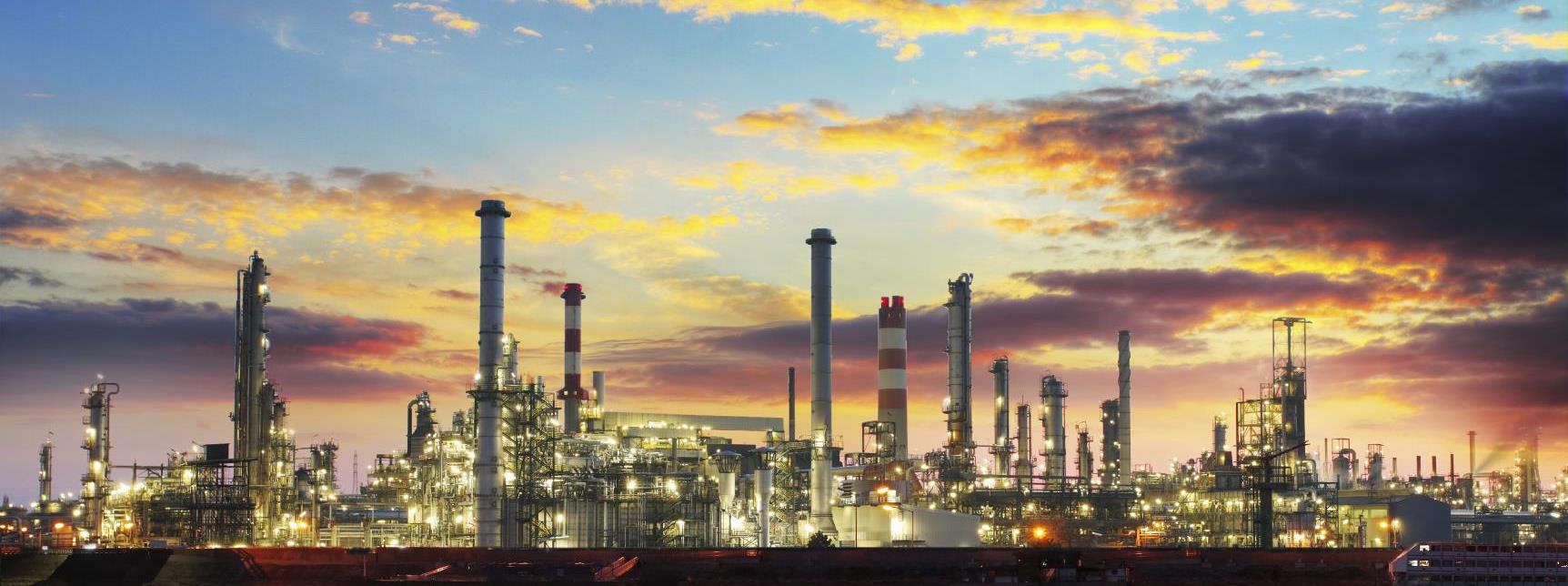
The destiny of heat transfer systems lies in smart automation, AI-based totally diagnostics, and sustainable substances. With the advent of Industry 4.0, warmness exchanger parts are being embedded with IoT sensors for live tracking and manipulate. These sensors assist optimize fan speed, discover fouling, and are expecting element failure earlier than it happens. In fin fan heat exchangers, sun-powered fanatics and noise-decreasing technologies are being researched to make the systems extra sustainable and efficient. Eco-friendly materials like graphene-based totally coatings or nanostructured fins also are beneath development. Manufacturers and engineers need to live abreast of those traits to remain aggressive and strength efficient inside the evolving business panorama.
Partnering with Trusted Suppliers for Long-Term Success
Ultimately, the reliability and overall performance of your system rely upon the first-rate of heat exchanger parts and the information of your dealer. A strategic partnership guarantees that parts are without problems available, custom designed for your wishes, and compliant with enterprise standards. For fin fan heat exchangers, getting access to a entire stock of cars, blades, tube bundles, and headers minimizes disruptions and continues consistent output. One such reputable supply is Kinetic Engineering Corporation, regarded for their comprehensive solutions and precision-synthetic components that beautify the reliability and sturdiness of warmth exchangers throughout industries.